
Seasonal Storage Made Simple: A Year-Round Plan for a Cleaner Home
Seasonal clutter shows up fast. One week, it is winter coats and holiday bins; the next, patio cushions and sports gear. A simple way to keep your home feeling open all year is to use a storage unit as your “seasonal closet.”
If you are local or moving into the area and want a reliable place to store items, Gunter Self Storage can help keep your year feel more organized.
Key Takeaways
- Store by season so closets, garages, and spare rooms stay usable.
- Clean and fully dry items before packing to prevent odors and mildew.
- Pick a unit size based on bins plus bulky items, not guesswork.
- Climate control is smart for items sensitive to heat and humidity swings.
- Label clearly and keep a simple inventory that you will actually maintain.
- Set up the unit so the next season’s items are easiest to reach.
- Do a quick quarterly check to keep everything in good condition.
Why Seasonal Storage Matters More Than You Think
Seasonal storage is not just “extra space.” It saves time and reduces daily stress. When the wrong-season stuff lives in your closets, you end up digging for basics and stacking things wherever they fit.
Over time, that leads to crushed décor, musty fabrics, and the classic mystery box problem. A storage unit gives you one dedicated spot for seasonal items so swaps are quick, your home stays comfortable, and your belongings come out ready to use.
Why Seasonal Storage Makes Sense
Reclaim living space without getting rid of things
Most seasonal items are useful; they are just bulky. Think coats and boots, holiday decorations, patio gear, sports equipment, and yard tools. When those items are stored off-site, your home feels bigger without forcing you to donate things you still use every year.
Protect seasonal gear from damage (moisture, pests, crushing)
Garages and closets are convenient, but they can be tough on belongings. Humidity can lead to mildew, cardboard can soften and collapse, and pests love undisturbed corners.
In a storage unit, you can pack with purpose, keep items off the ground, and avoid the “pile and pray” approach that causes damage.
Stay organized so swaps take minutes, not hours
The goal is to make the seasonal swap easy enough that you actually do it. If you can grab the next season’s bins in one trip, you will keep up with it. If you have to unload half the unit to find gloves, it becomes a project. A little planning up front saves you time every season.
Make room for guests, projects, or life transitions
Seasonal storage also helps in real-life moments: moving, remodeling, hosting family, downsizing, or combining households. It creates breathing room so your home stays functional while everything else is in motion.
The Seasonal Swap System (How to Rotate Items the Easy Way)
Do a “one-bin staging zone” before anything goes to storage
Before packing, create one staging spot at home. It can be a cleared corner of the garage or a section of the living room for one afternoon.
Everything you plan to store gets cleaned, sorted, and labeled there first. This prevents storing dirty items and keeps you from mixing seasons in the same bin.
Use the “last-in, first-out” layout so the next season is always accessible
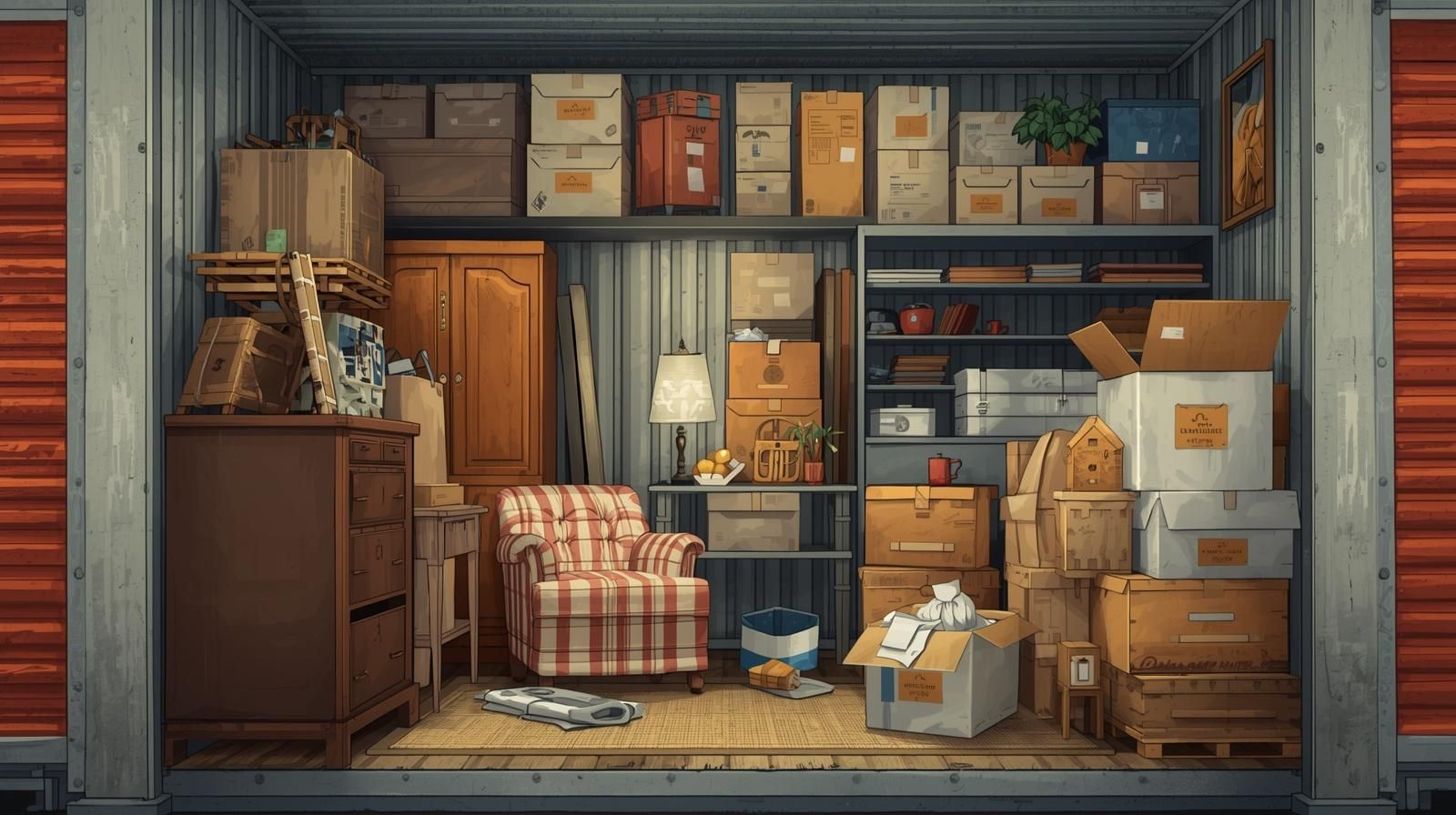
Set up your unit so the next season’s items are up front and easy to reach. Off-season items go toward the back or higher up.
If spring is coming, your spring bins should be the first thing you can grab. Keep a small walkway so you can access items without having to pull everything out.
Create a simple inventory you can actually maintain
Keep it simple. Use a Notes app list plus a few photos of each bin.
Write short labels like “Blue bin: patio lights, outdoor tablecloths” or “Red bin: ornaments, tree skirt.” You can also tape a one-page list inside the unit door for a quick visual reminder.
What to Store Each Season (And What to Keep at Home)
Winter storage (Dec–Feb)
After winter, store holiday décor, extra wrapping supplies, heavy coats, boots, and winter sports gear. Avoid storing anything wet, anything with food residue, or items that can melt or leak. If something was outside, let it dry completely before boxing it.
Spring storage (Mar–May)
Spring is a great time to rotate out heavy blankets, thick rugs, and winter bedding. This is also when many people “stage” their home by moving non-essential items into storage while they reorganize closets and rooms.
Summer storage (Jun–Aug)
In summer, store winter gear, extra heaters, and bulky school items you do not need day to day. If you have a small home, this season is also a good time to clear space for projects and activities by moving seldom-used items into storage.
Fall storage (Sep–Nov)
In fall, store patio cushions, pool gear, gardening tools you will not use again until spring, and extra grill accessories. Getting outdoor items protected before winter weather hits is one of the easiest ways to extend their life.
Prepping Items Before Storage (So They Come Out “Ready to Use”)
Clean it
Wash and fully dry clothing and linens. Wipe down outdoor gear and tools. Empty pockets and compartments to prevent the storage of forgotten snacks, wrappers, or damp items that can cause odors.
If you are storing small devices, remove batteries when appropriate.
Dry it (seriously)
This step prevents most storage regrets. Give items a full drying day before sealing them in bins. Even slightly damp fabric can create a musty smell that spreads to everything nearby.
Protect it
Use covers for furniture and mattresses. Pad fragile décor. Consider desiccant packs for bins with fabric or paper items. Keep everything in sealed containers to reduce moisture and pest exposure.
If you are clearing out during a move, avoid stuffing leftover paint or chemicals into storage.
Choosing the Right Storage Setup for Seasonal Items
Unit size: small, medium, or “swap-friendly”
Think in “bins plus bulky items.” A few bins and holiday décor fit in a smaller unit. Add patio cushions, bikes, or sports gear, and you may want more room so you can keep a walkway and do easy swaps.
Climate control: when it’s worth it
Climate control is a good idea for items that do not handle temperature swings well: photos, books, electronics, instruments, leather, antiques, and certain fabrics. If you worry about storing it in an attic, climate control is usually the safer choice.
Access and security features that actually matter for seasonal swaps
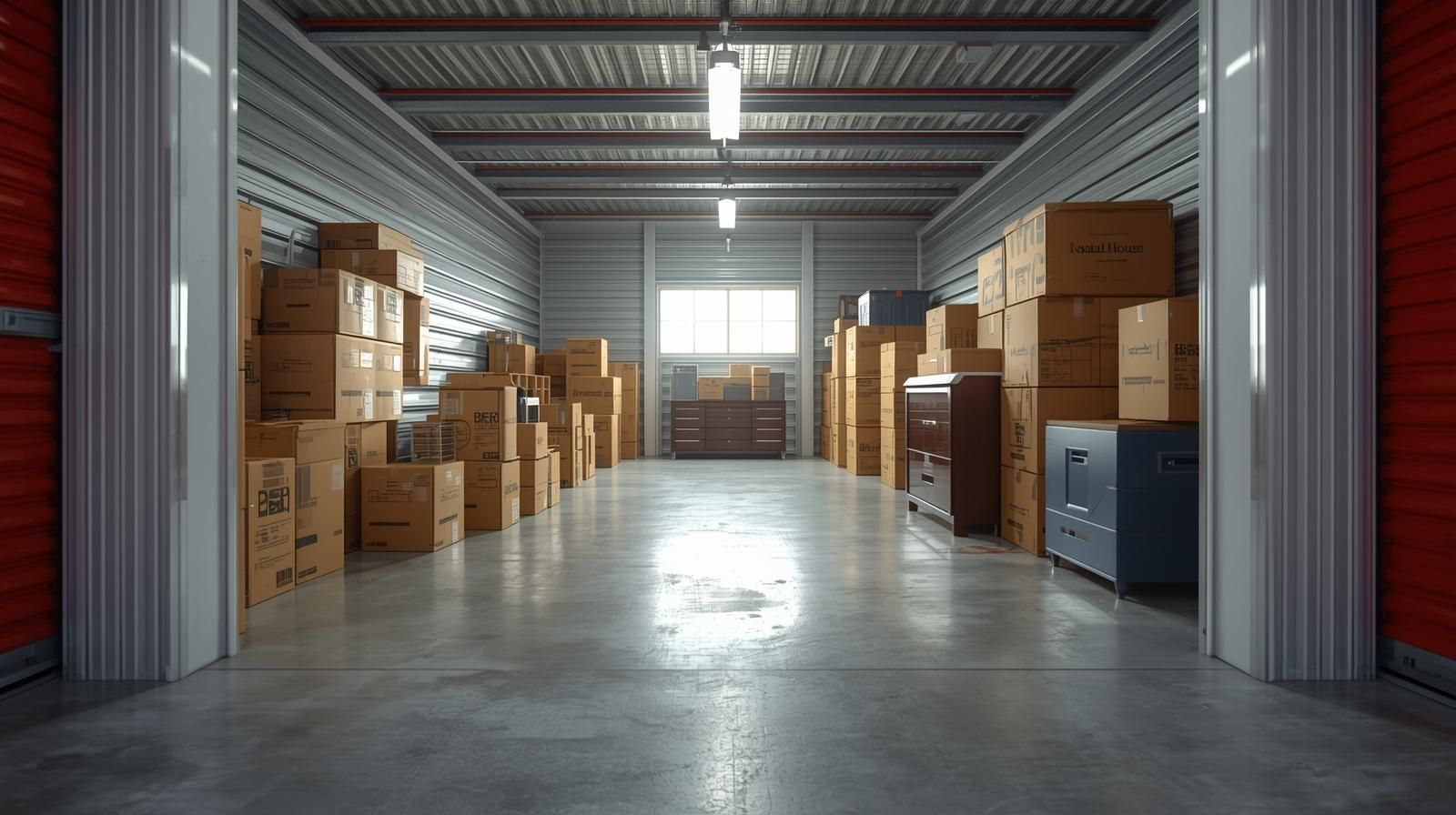
If you plan to swap items a few times a year, convenience matters. Good lighting, easy access, and strong security features make it more likely you will keep your unit organized and actually use it as a seasonal system.
For local resources while you are getting settled, the City of Montgomery website is a helpful place to start.
Packing Methods That Prevent Damage (Bins, Bags, and Labeling)
Clear, latched bins usually win for seasonal storage because they protect better and let you see what you have. Cardboard can work in the short term, but it crushes and breaks down over time.
Vacuum bags are great for bulky, soft items like comforters and coats, but use them only if everything is clean and fully dry.
Label big and simple. Add one “open-first” box each season for the small stuff you always need right away. A helpful trick is to color-code by season with one tape color per season so that you can spot the right bins instantly.
A Simple Maintenance Rhythm (So Seasonal Storage Stays Organized All Year)
Do a quick check once a quarter. Walk in, look for moisture, refresh labels, update your inventory note, and do a quick sweep. Ten minutes keeps your unit in great shape.
Also, try the “one in, one out” rule. If you add a new tote, donate or discard one old tote so the unit never becomes a second attic.
If you want a nearby place to get outside while you’re moving or settling in, Riverfront Park is a great local spot on the Alabama River.
Your Next Seasonal Swap (Quick Action Plan)
Pick a date this weekend, choose two or three seasonal categories to rotate, and commit to the clean, dry, label routine. Set your unit so the next season is up front, snap a couple of photos for your inventory, and you are done.
If you want a simple, local setup for rotating items year-round, look at
self storage units in Montgomery and turn seasonal storage into an easy habit instead of a yearly headache.




Climate-Controlled Storage in Montgomery, AL: Protect Your Belongings From Alabama Heat and Humidity